
The Importance of Flu, Typhoid, Cholera, and Meningitis Vaccines for School-Age Children
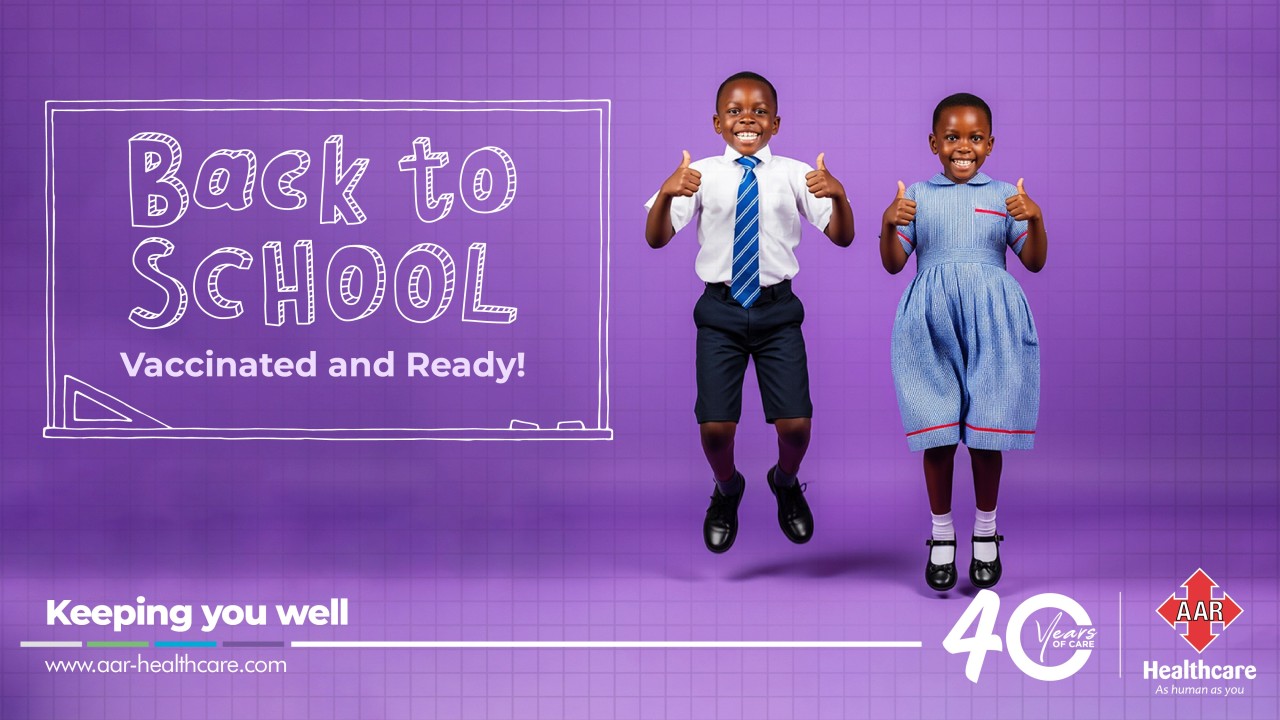
Every year, as children return to school, they interact with classmates, share learning spaces, and participate in group activities. While this fosters social and academic growth, it also increases the risk of spreading infectious diseases. In Kenya, where diseases like flu, typhoid, cholera, and meningitis remain significant public health concerns, vaccinating school-going children is a crucial step toward protecting their health and ensuring uninterrupted education.
This article explores why these vaccines are essential, how they work, and the role they play in promoting healthier schools and communities.
What Are the Risks to School-Age Children?
Today, specific environmental and social factors such as communal water sources, fluctuating sanitation levels, and high population density in urban schools further increase vulnerability to certain diseases. Public health experts have identified influenza, typhoid, cholera, and meningitis as priority illnesses that vaccines can effectively prevent.
Vaccines are among the most effective tools for preventing infectious diseases. They work by stimulating the body’s immune system to recognize and fight off harmful pathogens before they cause illness. For school-age children, vaccines offer the dual benefit of protecting their health while also reducing transmission in group settings like classrooms and extracurricular activities.
Key Vaccines to Consider for Schoolchildren
1. Flu Vaccine
The flu vaccine is recommended annually for children aged 6 months and older, especially before flu season. Schools are high-risk environments where influenza spreads quickly through respiratory droplets. Vaccination minimizes the risk of complications like pneumonia and helps children avoid lengthy absences from class.
2. Typhoid Vaccine
Typhoid fever remains a public health challenge in Kenya due to contaminated food or water. The typhoid vaccine is recommended for children aged 2 years and older, particularly in regions prone to typhoid outbreaks or during the rainy season when water contamination is common.
3. Cholera Vaccine
The cholera vaccine is particularly critical in outbreak-prone areas or for populations relying on water sources vulnerable to contamination. The vaccine is safe for children aged 6 months and older, providing essential protection against severe dehydration and death during cholera outbreaks.
4. Meningitis Vaccine
Children living in Kenya’s meningitis belt are at higher risk of bacterial meningitis, which spreads through respiratory droplets or saliva. Vaccines like MenAfriVac (targeting serogroup A) and MenACWY (covering multiple strains) are recommended for children aged 1–18 years. These vaccines reduce the risk of severe brain infections, which can lead to long-term complications or fatalities.
Public Health Success: How Vaccines Have Made a Difference
Global vaccination campaigns have demonstrated the significant impact vaccines can have:
- Oral cholera vaccines have reduced severe cases and deaths in outbreak-prone areas by up to 90%, especially during floods or crises (WHO, 2023).
- Seasonal flu vaccination programs have reduced hospitalizations and protected children from complications in schools worldwide.
These examples highlight the power of vaccines to save lives and strengthen communities.
As a parent, discussing your child’s vaccination needs with a healthcare provider is the first step toward ensuring their safety and well-being during the school term.
AAR Health Care is here for you!
Contact any of our clinics at AAR Healthcare Kenya today to schedule your child’s vaccine or learn more about our back-to-school vaccination programs. Together, let’s make this school year not just a time for learning, but also a time for health and safety