

Breast cancer thrives in silence – but together, we can break that silence
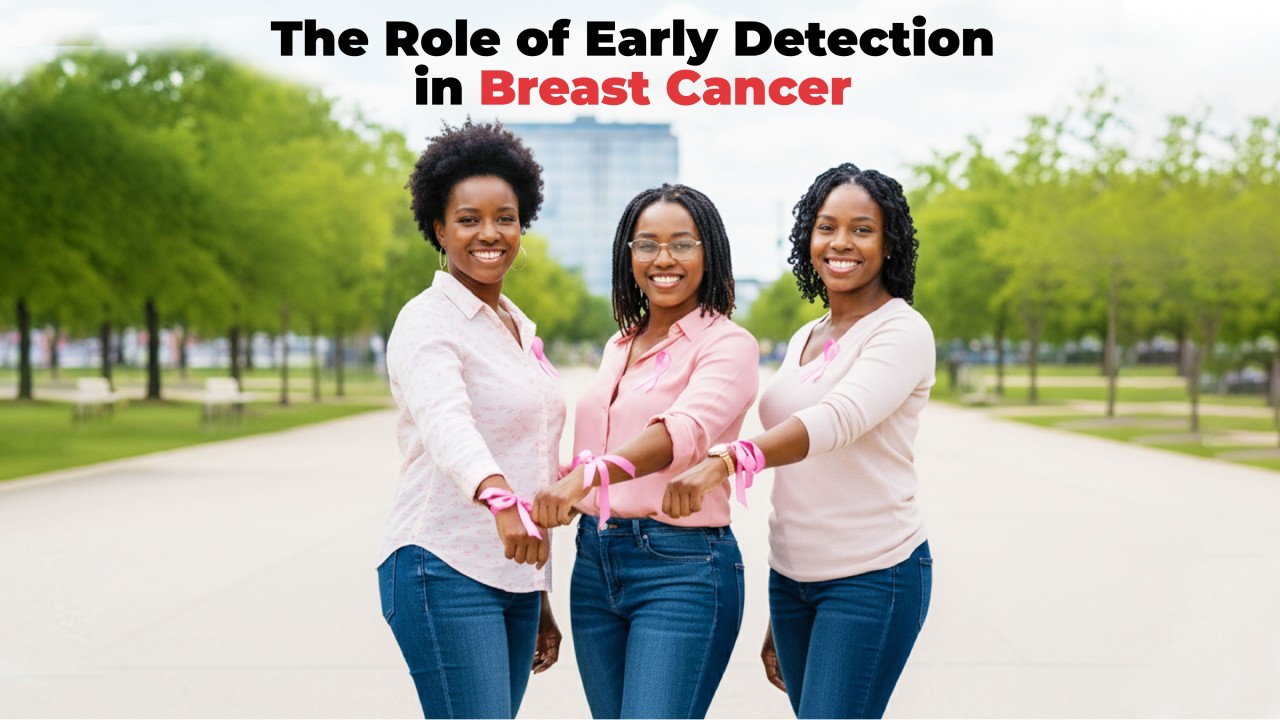
Every October, Breast Cancer Awareness Month reminds us of the importance of discussing breast health. But for many women, these conversations aren’t happening soon enough.
Breast cancer remains the most common type of cancer among Kenyan women, accounting for 16% of cancer diagnoses and 7% of cancer-related deaths. More concerning: 70% of women are diagnosed at advanced stages, when treatment options are fewer, recoveries are longer, and survival rates are significantly lower.
Fear, stigma, misinformation, and gaps in healthcare access are some of the reasons behind delayed diagnoses. But when caught and treated early, breast cancer survival rates exceed 90%. Turning this hope into reality requires both individual action and systemic change.
The Challenge of Late Detection
Why are so many women in Kenya diagnosed at advanced stages? The answer is complex:
- Lack of Awareness: Many women are unfamiliar with the early warning signs of breast cancer. Misconceptions, like believing breast cancer always presents with pain, leave many symptoms ignored.
- Stigma and Cultural Barriers: Breast health is still a taboo topic in some communities, and stigma around a cancer diagnosis discourages open conversations.
- Limited Access: Screening facilities, especially in rural areas, remain out of reach for many women. When these services are accessible, financial constraints often prevent women from prioritizing their health.
By addressing these barriers through education, outreach, and making diagnostics more accessible, we can significantly improve early detection rates and outcomes.
Early Detection
Early diagnosis of breast cancer is critical in improving prognosis and significantly increasing long-term survival rates by identifying the disease at an early stage when it is highly treatable and less likely to have spread. Advancements in breast cancer screening and diagnostic technologies have made early detection more effective and accessible. These include:
Imaging Technologies:
- Mammography: The gold standard for breast cancer screening, mammograms can detect tumours up to two years before they are palpable, reducing breast cancer mortality rates by up to 30%.
- Ultrasound: Often used as an adjunct imaging method, particularly for women with dense breast tissue, to improve diagnostic accuracy.
- MRI (Magnetic Resonance Imaging): Recommended for women at high risk of breast cancer due to family history or genetic predisposition (e.g., BRCA1/BRCA2 mutations), as it offers highly detailed images for identifying abnormalities.
- Emerging Molecular and Digital Innovations: Research into blood-based biomarkers (circulating tumour DNA or specific proteins) and wearable health technology is ongoing, but these are not yet standard for routine breast cancer screening. These tools may hold promise for supplemental early detection in high-risk populations.
Key Recommendations for Early Detection
- Self-Exams: Women should perform regular breast self-exams to become familiar with the look and feel of their breast tissue and report any unusual changes (e.g., lumps, dimpling of the skin, or nipple discharge) to their healthcare provider promptly.
- Clinical Breast Exams: An annual clinical breast exam by a trained healthcare provider enhances early detection efforts, particularly for younger women or those without routine access to mammograms.
- Mammography Screenings: Women aged 40 and older are advised to undergo regular mammograms every 1–2 years, depending on individual risk factors and health guidelines.
- High-Risk Populations: Women with a family history of breast cancer or genetic predispositions (e.g., BRCA mutations) should consult their doctor about starting screenings earlier, incorporating MRI scans, or increasing screening frequency.
Leading the Fight Against Breast Cancer
As AAR Healthcare, we are committed to bridging the gap in breast cancer awareness and care. This commitment starts with action. As part of Breast Cancer Awareness Month, we are focusing our efforts on:
- Making screenings accessible by providing affordable mammograms across our Out-Patient Centres.
- Supporting patients and families holistically, offering guidance on treatment options and emotional care throughout their journey.
We believe that every woman deserves access to the education, tools, and resources she needs to protect her health and to save her life.
Breast cancer thrives in silence – but together, we can break that silence.