

Before Crisis Becomes the First Conversation
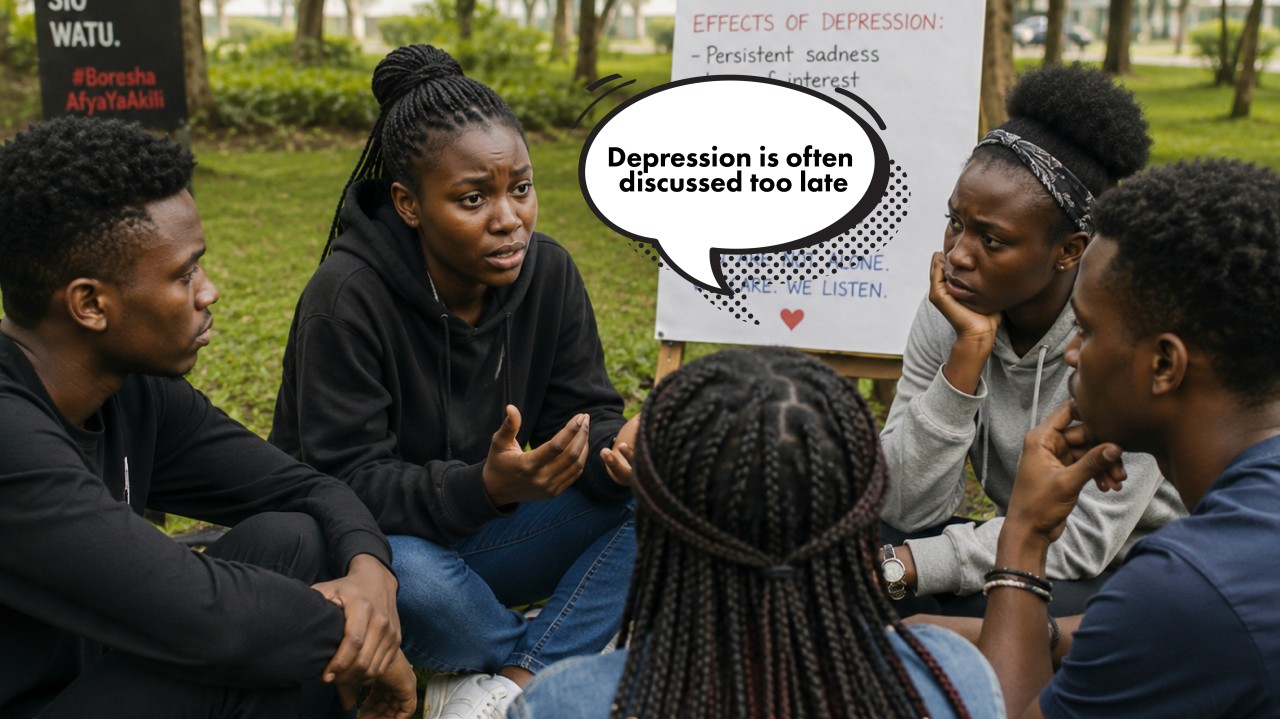
Depression is often discussed too late.
Many times, we wait until the language becomes urgent, the risks become visible and the effects have started to take root.
Part of what makes depression difficult to confront is how quietly it can appear. It does not always look like someone crying in a corner or openly saying they cannot cope. Sometimes, it looks like high performance. It shows up as irritability, silence, exhaustion, avoidance, or a slow loss of interest in things that once mattered.
In many homes, workplaces and communities, depression is still misunderstood. People are afraid to name it because naming it can feel like weakness, failure, attention-seeking, spiritual defeat, personal inadequacy, or something too uncomfortable to place in ordinary conversation.
As a result, people learn to hide.
They hide behind competence, behind humour, busyness, behind “I’m just tired.” They take cover in the version of themselves that makes everyone else feel less worried.
Yet depression should never be reduced to a personal flaw or a failure of will. It affects how people think, work, relate, sleep, make decisions and imagine their future. It can distort self-perception, reduce hope, make ordinary tasks feel overwhelming, and leave someone feeling disconnected even when they are surrounded by others.
When left unsupported, the consequences can become severe. Isolation often deepens, relationships become strained, productivity may decline. Emotional distress can intensify and, in some cases, the risk of self-harm or suicide increases.
This is why early recognition and assessment matter.
Many people do not begin with therapy because we are often taught to survive quietly before we are taught to seek support.
They begin with confusion and the need to understand what is happening within them long before they feel ready to name it or ask for help.
They wonder whether what they are experiencing is serious enough to warrant seeking professional services. They question whether they are overreacting and often tell themselves they should be stronger. They compare their pain to other people’s pain and decide they have no right to seek support.
That hesitation can be costly.
The first step is not always professional intervention. Often it is language; giving the feeling a name, having a private moment of honesty, a structured assessment and a resource that helps someone understand what may be happening internally. They need a place that gives them safety to begin their journey before they are ready to speak openly.
This is why we created WeMakili platform.
WeMakili gives people access to mental health resources and assessments in a way that is more accessible, structured and informed. For someone trying to understand their emotional state, the platform can help reduce the distance between silent suffering and meaningful support.
It does not replace professional care especially where clinical intervention is required but rather, it provides a way for people to move from confusion to awareness, and from awareness to a more informed decision about seeking help.
For mental health professionals, WeMakili supports awareness, education and assessment tools for early engagement. For workplaces, it can become part of a wider culture of prevention and employee wellbeing. For individuals and families, it offers a practical way into a subject that can feel too heavy, too confusing or too frightening to approach alone.
The goal is to help more people recognise distress earlier, reduce the shame attached to seeking support, and make care easier to access before crisis becomes the only language left.
Depression grows stronger in silence, stigma and delay. Support becomes possible when people have somewhere to turn, a way to understand what they are experiencing, and a pathway towards care.
If you are a mental health professional, a workplace leader, a caregiver, or someone trying to better understand your own mental well-being, visit WeMakili. Explore the resources, take the assessments and make an informed decision regarding professional help. Share the platform with someone who may need a safer place to begin. The more we make room for honest conversations, the less people have to suffer quietly.
Help does not have to wait until someone is at their breaking point, it can begin earlier, more gently, and with enough support for someone to believe that what they are carrying can be understood and cared for.